
Can AI read photos and documents for my business, like receipts, labels, forms or product shots?
Yes. Current vision-language AI models can look at a receipt, a label, a form or a product photo, pull out the details you care about and match them against your own data. They are not perfectly accurate, so the results need a check by a person or by rules wherever a mistake would matter.
Evidence
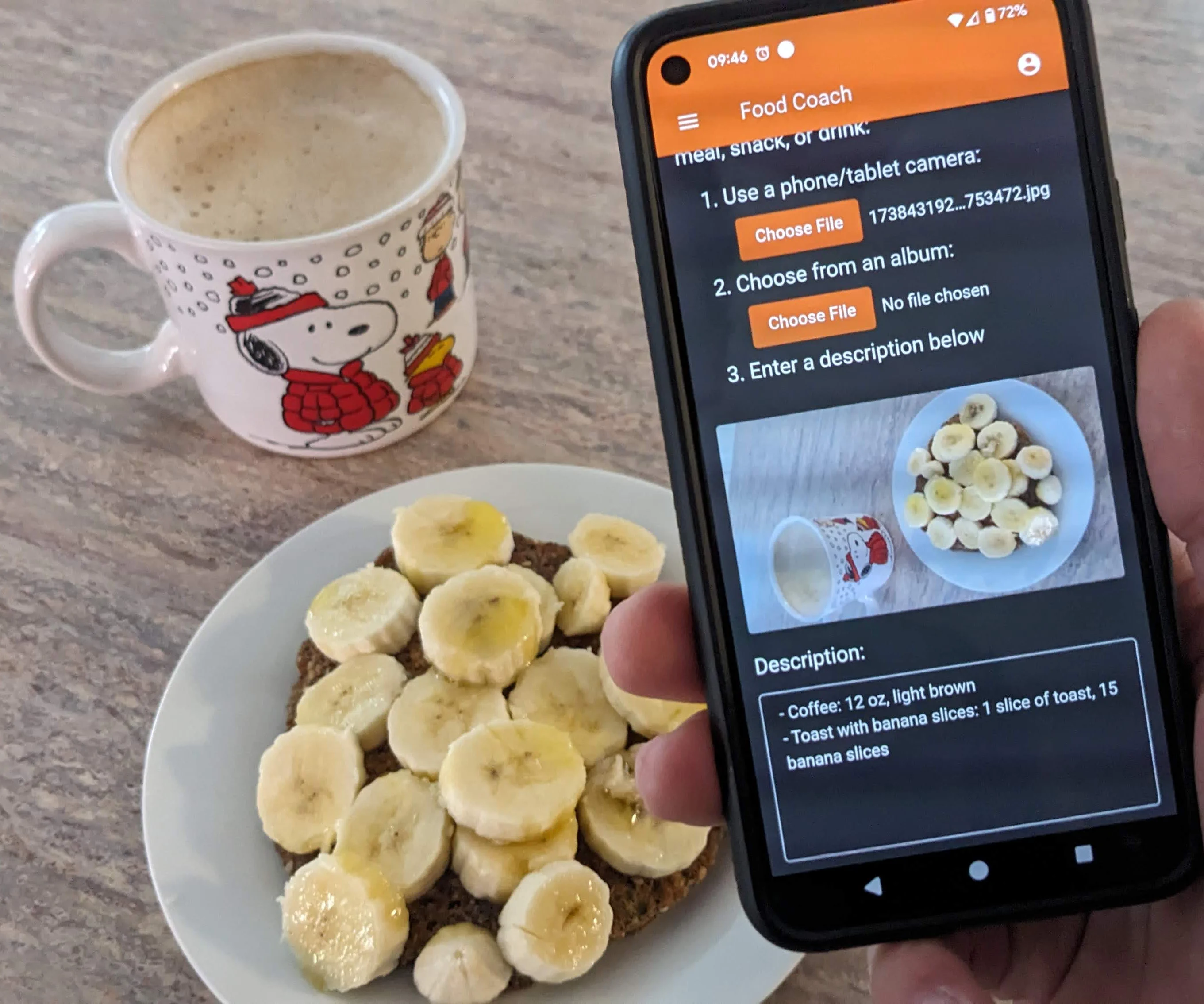
FoodCoach lets people snap a photo of their meal the way they would for social media. A vision-language model identifies the food and its approximate portion size, then matches it with standardized food from the USDA FoodData Central database to work out the nutrition in the meal.
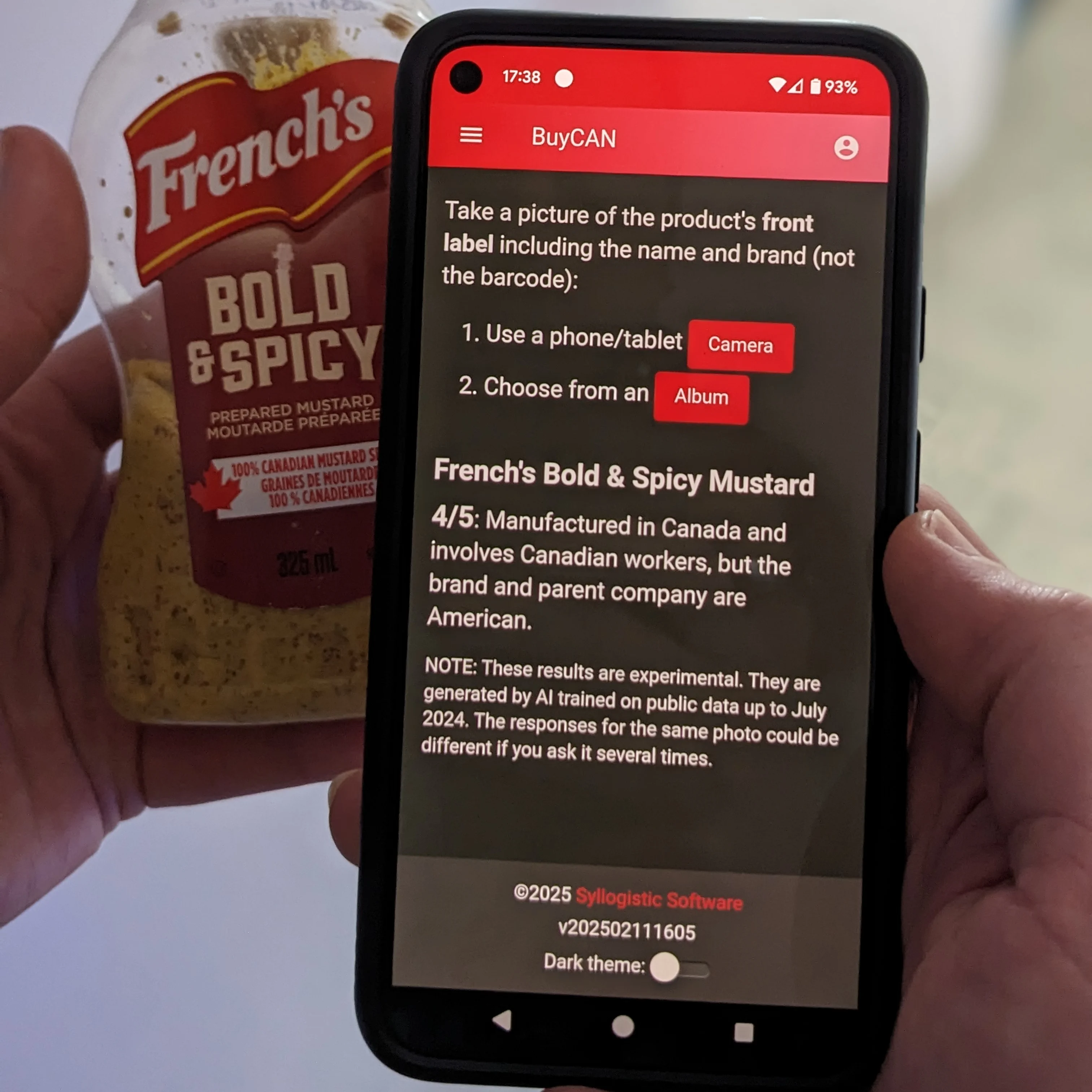
BuyCAN takes a photo of a product's front label. One model identifies the product and the company that makes it, and a second reasons about where its ingredients are sourced, where it is made and where the company is based, then gives a rating from one to five and explains why.
Read the FoodCoach case study and the BuyCAN case study, or try BuyCAN yourself at buycan.sylsft.com.
What it takes
A set of real examples: the receipts, labels, forms or photos you actually handle, including the messy ones, and a list of the fields you want out of each.
The data to match against, if there is any: your product catalogue, price list, customer records or a public reference like the USDA database FoodCoach uses. Matching is where most of the value is, and where most of the work is.
Someone on your side to check results, at least at first, and to decide which mistakes are cheap and which are not.
A focused pilot on one document or photo type comes first. How big it is depends on your documents and the systems the results go into, and that is what the AI Audit sizes.
The honest limits: photo reading is not perfectly accurate. Blurry or badly lit photos, handwriting, unusual layouts and portion or quantity estimates are where it misreads most. A process that reviews uncertain results, rather than trusting every answer, is part of the build.
Next step
Show me the photos or documents your business handles, and I will tell you plainly what AI can read from them reliably, what it cannot, and what a first version would take.